By Megan Webb Contributing Editor
Fall has a rhythm all its own. The air cools, the hillsides turn gold, and cattle trailers begin rolling as herds move off summer pastures. It’s a season that always makes me reflective, but this year, the headlines pressing on our industry make the familiar sights feel heavier.
Ground beef prices have surged past $6 per pound – the highest in more than 70 years. That sticker shock at the grocery store ties back to years of drought, high feed costs and tough herd reductions. The U.S. herd is the smallest it has been in decades. Rebuilding isn’t as simple as restocking – it takes years of planning and risk that most ranchers are still cautious to take on.
On top of markets, biosecurity has stepped back into focus. USDA’s announcement of a $750 million sterile-fly factory in Texas to guard against the New World screwworm may have been just another headline for some. For those of us who grew up hearing the old stories, it hit differently.
My grandfather often spoke about ticks and screwworms the way some folks talk about storms. He remembered dipping vats, quarantine fences and the constant worry of seeing cattle struck with infestations from back in the 1930s. He told those stories as warnings, not history lessons – healthy cattle were never guaranteed. Eradication programs didn’t just protect livestock, they saved livelihoods. Hearing about new sterile-fly production reminds me that the battles of his generation are never entirely gone; they just shift with time.
Today’s challenges echo those same themes. Our herds remain thin, costs are high, and every decision feels weighted with uncertainty. Despite it all, demand for beef holds strong. Families still put steaks on the grill and burgers on the table. That loyalty matters. It shows that consumers still trust beef, even when prices bite.
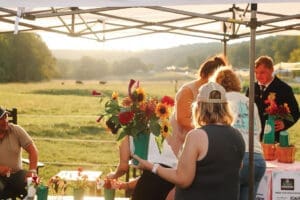
That trust must be earned over and over. And in a world where most people are two or three generations removed from farm life, the best way to build it is through openness. On our farm, fall means more than moving cattle. It means mums on the porch, pumpkins lined up by the farm stand, and families walking through sunflowers before picking up steaks for the weekend. It means conversations by the fence line – questions about herd health, pasture rotations or what “preconditioning” really means.
Agritourism isn’t just about sales. It’s about pulling back the curtain. Visitors see calves – curious but calm – clean troughs filled with fresh water and pastures managed for both grazing and wildlife. They discover that biosecurity isn’t a buzzword – it’s woven into daily care. That kind of transparency builds confidence no ad campaign can match.
It also gives young people a chance to learn. Local 4-H and FFA members who help at events discover that raising cattle today is about more than stockmanship. It’s about leadership, communication and sharing agriculture’s story with people who are eager to learn. Those lessons prepare them for a future where producers must be both caretakers and advocates.
The truth is, our industry will always face pressure – whether it’s drought, market swings or parasites trying to cross the border. But alongside those challenges lies opportunity. We can open the gate. We can let the public see cattle grazing under a fall sky, hear the low hum of a feed truck and taste the difference that care and stewardship make.
Because a steak is never just protein. It’s a story. Pair it with the glow of sunset and the authenticity of farm life, and it becomes what I like to call a divine bovine – an experience that nourishes far beyond the plate.
My grandfather’s words still guide me: Protect the herd, care for the land and share the story. This fall, those lessons feel as timely as ever.