By Larry Stalcup Contributing Editor
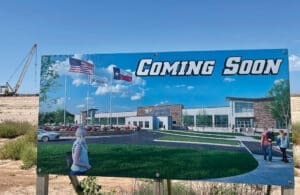
After delays stalled by continued declines in U.S. beef cattle numbers, construction is back underway of Producer Owned Beef (POB), a 3,000-head-per-day beef packing facility just east of Amarillo, Texas.
Ross Wilson, POB executive vice president, told CALF News the $620-million facility is destined to harvest a producer-guaranteed supply of up to 700,000 or more cattle per year. It will provide some 1,600 jobs. “Construction is expected to be completed in 30 to 36 months,” Wilson says. “Plant ramp-up operations are expected to begin in the third or fourth quarters of 2028, with full production beginning in 2029, about nine to 12 months after opening.”
Significant activity has been underway at the plant site in the past few months. “Site preparation and grading are approximately 70 percent completed. Basement excavation is complete, and concrete work began the week of Aug. 11 for the basement foundations and poured-in-place concrete walls,” Wilson says.
Optimism has forever kept cattle operations running. It was high when POB plans were announced in downtown Amarillo three years ago. Backed by millions of dollars from the state of Texas, the city of Amarillo and lender financing, more than 125 producer investors also got involved early.
The goal has been to provide a local, steady market for Texas, Oklahoma and New Mexico cattle. However, optimism was challenged by a lengthy drought that plagued the High Plains, especially in 2024. Parched pastures meant few cow numbers. Lower supplies, coupled with strong consumer demand, drove cattle prices up. Many producers sold heifer calves that would have been held back as replacements.
Plans for other new packers were also stalled nationwide. Lower cow herd numbers continued through early 2025 but have hopefully hit bottom. Even with low herd numbers, another large producer-owned project, Sustainable Beef LLC, opened earlier this year in Nebraska.
POB investors kept hope alive. With more than 25 percent of the nation’s fed cattle raised within a 125-mile radius of Amarillo, Wilson says there is confidence that sufficient cattle will be available for POB’s operation.
“The POB region ranks No. 1 for cattle feeding capacity in the U.S, but is third in harvest and processing capacity,” he explains. “From 500,000 to 1 million head leave the area for processing each year. The POB plant will increase regional processing capacity to help address this deficit.”
He points out that the January 2025 Cattle Inventory showed a 1 percent increase in beef cow numbers in Texas and Oklahoma, with Oklahoma also increasing beef replacement heifers by 2 percent and Texas holding steady. “Other major cow-calf states are also seeing slight increases in beef cows,” Wilson says. “Cattle-on-feed reports in Texas and Oklahoma also indicate that the percentage of heifers on feed has begun to decline slightly, indicating that heifers are beginning to be retained.”
In the long run, he says, the 36-month-plus time frame before POB begins operations, and an additional nine to 12 months before operation at full capacity, should provide time for cattle numbers to adequately rebuild.
“In addition, the POB business structure requires producers who own the plant to supply 700,000 head per year, so the plant has a committed supply of cattle,” Wilson says.
POB thanks small and large producers and feeders for the confidence placed in the POB project. “Producers will have greater access to the entire value chain and receive a greater share of the financial upside for the hard work they do,” Wilson says. “They have access to a greater share of the consumer dollar to improve their economic viability for future generations.
“They will help us reach our goal of building a producer-owned processing facility that will provide the highest quality, sustainably produced beef to consumers.”
Communities across the Southern Plains should benefit from the economic incentive the new plant will provide. “POB greatly appreciates the continued strong support we receive from city, state and federal entities on permitting, infrastructure, financial and other items,” Wilson concludes.
“The POB model will keep dollars in the High Plains region to ensure beef industry growth.”