By Megan Webb Contributing Editor
Summer has always been a season of surprises for cattle folks. Whether it’s unexpected rain, new policy shifts or sudden price swings, it keeps us on our toes. But this year, it feels like every week has brought something new to chew on – and a few reminders of what really matters out here.
One of the biggest headlines came early July when the USDA announced the reopening of cattle, bison and equine imports from Mexico. Ports that were shut down in May due to New World screwworm outbreaks are opening back up, starting with Douglas, Ariz. The government isn’t taking any chances either – they’re putting more than $21 million into sterile-fly programs to keep pests at bay. That’s a big deal for anyone depending on feeder cattle supply. With our national herd at the lowest point since the early 1950s, this added flow can help fill some gaps and take pressure off domestic supplies.
While these imports might help a bit, the reality is our herds are still thin. Years of drought, high feed costs and herd reductions have left many producers rebuilding slowly, if at all. It takes time and patience to bring numbers back up, and nobody wants to rush into it only to be hit by another dry spell or feed price spike. On the flip side, these tight supplies have pushed prices higher. Feeder cattle futures have climbed near $300 per hundredweight, and packer margins have been strong, with feedlots seeing margins above $600 per head this summer. That might look good on paper, but rebuilding costs and risks keep most folks cautious.
Beyond the markets, it’s been a summer for thinking hard about herd health and comfort. Heat stress is no joke, especially with hotter days and unpredictable weather. Research out of Missouri has confirmed that cows that shed their winter coats early handle heat better and wean heavier calves. Producers paying attention to hair-shedding traits and investing in shade or better water setups are already seeing the payoff. It’s a small change that can lead to big gains when the thermometer climbs.
There’s also a quiet revolution happening in barns and corrals. New antimicrobial coatings and stress-reducing pour-on products are making their way into conversations at sale barns and coffee shops alike. These might sound fancy, but they come down to an old-fashioned idea: keep your cattle healthy and calm, and the rest falls into place. Less stress means better weight gain and easier handling – benefits that show up in the checkbook and the chute.
Then there’s the big policy shift that turned heads in early July. The USDA’s decision to officially treat American agriculture as part of national security is more than just a catchy headline. It means new support for rural broadband, smoother permitting and stronger trade deals. For those of us out in the pastures, it feels like long-overdue recognition that farming and ranching aren’t just hobbies – they’re cornerstones of a secure and stable country.
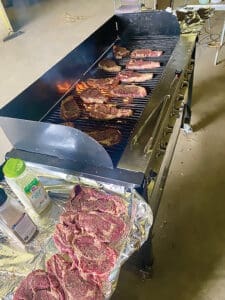
All this news would mean nothing without the steady demand that keeps beef on the grill. Even with record-high prices at the meat counter, folks are still choosing steaks and burgers to celebrate summer. That loyalty is something we can’t take lightly. People value the taste and trust the product, but they also care more than ever about how cattle are raised. Animal welfare and sustainability aren’t just buzzwords – they’re part of the story we need to keep telling honestly.
At the end of the day, this summer has been one big lesson in rolling with the punches. Markets shift, weather tests us and new policies come and go, but good stockmanship, neighborly support and long-term thinking still guide the best producers. We adapt, we plan ahead and we stay, ready for whatever curveball next season throws.
As we look ahead to fall and beyond, let’s hold tight to the lessons of this summer: focus on herd health, take care of the land, watch the markets with a sharp eye and never lose sight of the bigger picture. Agriculture has always been about more than profit – it’s about feeding families, building communities and passing something stronger on to the next generation.
Here’s to finishing the year strong, staying safe and keeping that cowboy spirit alive – one sunrise and one pasture at a time.